More than two-thirds of salespeople failed to hit quota in 2023, according to Ebsta's B2B Sales Benchmarks report, which analyzed 4.2 million opportunities across 530 companies. That's not a small dip. That's most of your team falling short, month after month.
Many sales leaders respond by throwing bigger bonuses at the problem. It rarely works alone. Lasting motivation blends recognition, culture, clear goals, and rewards that actually fit the person receiving them.
This guide breaks down 12 strategies grouped into three buckets: building culture, driving performance, and using incentives that stick.
Key Takeaways
- Motivation works best when it blends purpose and autonomy with money and recognition
- Small, frequent recognition beats rare, oversized bonuses for sustaining morale
- Clear goals, competition, and feedback fuel a performance-driven culture
- Travel rewards and gift cards boost engagement without adding operational strain
- Sustaining motivation requires ongoing attention, not a one-time effort.
Why Sales Motivation Matters More Than Ever
Low motivation doesn't just cost you one bad quarter. It compounds into burnout, turnover, and missed revenue targets that take months to recover from.
Sales-staff turnover sits at roughly 18% annually according to Salesforce's State of Sales research, while The Bridge Group found median SDR attrition closer to 40% in 2024. Replacing a rep isn't cheap either — you're paying for recruiting, onboarding, ramp time, and lost pipeline while the seat sits empty.
The mistake most leaders make: treating compensation as the whole motivation strategy.
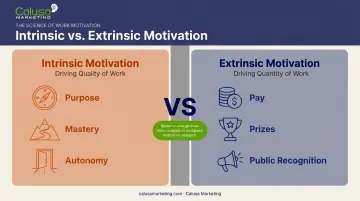
Intrinsic motivation comes from purpose, mastery, and autonomy: the internal reasons someone wants to do good work. Extrinsic motivation relies on external rewards such as pay, prizes, public recognition, and career perks.
Top-performing organizations use both intentionally. A 40-year meta-analysis covering more than 212,000 participants found that intrinsic motivation predicts quality of work while extrinsic incentives predict quantity. You need both levers, not just one.
There's also an underrated foundation beneath all of this: psychological safety. Google's Project Aristotle study analyzed 180 teams, including 65 sales pods, and tested hundreds of variables. Psychological safety ranked as the single most important factor in team effectiveness, ahead of dependability, structure, meaning, and impact. Reps who feel safe admitting a mistake or asking a question outperform teams where every slip gets punished.
Build a Culture of Recognition and Connection
Culture is the foundation everything else sits on. Get this wrong, and no bonus structure will fix it.
Celebrate Wins, Big and Small
Recognition rituals matter more than most leaders assume. Gallup and Workhuman tracked nearly 3,500 employees over two years and found that well-recognized employees were 45% less likely to have left their organization two years later.
Public shoutouts, a closing bell, and a dedicated kudos channel in Slack all reinforce the behaviors you want repeated. Tools like Calusa Marketing's digital recognition platforms make these rituals easy to run at scale. Don't limit recognition to closed deals, either. Celebrate:
- A strong discovery call that uncovered a real pain point
- A creative pitch, even one that didn't close
- Persistence through a tough objection
Personalize Motivation to Each Rep
Not every rep wants a public shoutout; some would rather take an extra afternoon off instead. Run short surveys or ask directly in one-on-ones about what each person values most.
Career stage matters too, since newer reps often respond to mentorship and encouragement, while veteran reps tend to value autonomy and visibility with leadership more than another pat on the back.
Foster Psychological Safety and Trust
Managers build psychological safety by treating mistakes as coaching moments instead of punishment opportunities. When a rep blows a call, dig into what happened together rather than assigning blame in front of the team.
This matters most during tough quarters. A leader who says "we missed our number, here's our plan to fix it" builds far more trust than one who quietly points fingers.
Strengthen Team Bonds Through Peer Support
Sales can be isolating, especially for remote teams, and that isolation can erode motivation over time. Counter it with:
- Mentorship pairings between senior and junior reps
- Informal rituals like virtual coffee chats or team outings
- Peer-to-peer recognition programs that supplement manager praise
- Team-based incentive contests that reward collaboration, not just individual wins
Drive Performance Through Goals, Competition, and Feedback
Culture sets the tone, but performance systems keep people moving toward something concrete.
Set Clear, SMART Sales Goals
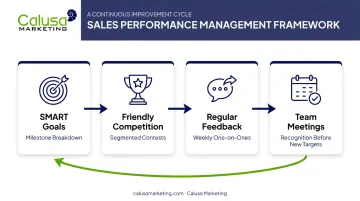
Ambiguity kills motivation faster than almost anything else. Specific, measurable, achievable, relevant, time-bound targets remove the guesswork.
Break large annual quotas into weekly or monthly milestones. Reps need frequent wins, not one massive deadline hanging over the whole year.
Spark Friendly Competition
Leaderboards and contests tap into a natural competitive drive, but design matters enormously.
Research published in the Journal of Marketing Research found that a segmented contest, where reps compete against others with comparable performance potential, outperformed both a single all-rep contest and no contest at all. Notably, the unsegmented version performed no better than running no contest whatsoever.
Keep competition healthy:
- Group reps by comparable performance tiers, not tenure alone
- Rotate contest formats so the same people don't always win
- Offer team-based prizes occasionally to build camaraderie instead of rivalry
Deliver Regular, Specific Feedback
Structured weekly one-on-ones with specific, actionable feedback beat vague annual reviews every time. Timeliness is what sustains momentum — feedback on a call from three weeks ago has already lost its impact.
Close the loop by asking reps for input on strategy. Ownership deepens when people feel heard, not just managed.
Hold Energizing Team Meetings
Quarterly or monthly standups should review wins, realign goals, and invite feedback. Open each meeting by recognizing the prior period's successes before introducing new targets. Skip this step and meetings start feeling like a time-waster instead of a rallying point.
Leverage Incentives and Rewards That Actually Motivate
Use Incentives and Rewards That Actually Motivate
Culture and performance systems create the environment. Incentives give reps a concrete reason to push further.
Offer Well-Structured Monetary Incentives
Tiered bonus and commission structures that reward overperformance , not just quota attainment, give reps a reason to keep pushing past the finish line. Payout transparency builds trust; nobody should have to guess how their commission got calculated.
Involving reps in designing compensation structures helps incentives feel fair rather than arbitrary.
Provide Meaningful Non-Monetary Rewards
The Incentive Research Foundation surveyed 1,500 employees and found cash ranked in the top three preferred rewards for 88% of respondents. Yet cash ranked only sixth for job satisfaction and tenth for motivation to do one's best work. Non-cash rewards often carry more weight than people expect, including:
- Flexible hours
- Extra paid time off
- Professional development opportunities
- Personalized (rather than uniform) recognition
Use Travel and Experiential Incentive Programs
Cash gets spent and forgotten. A trip gets remembered for years. In a sales-specific IRF survey of 400 employees eligible for incentive travel, 91% described group incentive travel as "very" or "extremely" motivating. That's a notably higher engagement signal than routine cash bonuses typically generate.
This is exactly the space Calusa Marketing operates in. The St. Petersburg, FL-based incentive marketing firm designs and fully manages travel, gift card, and merchandise reward programs so sales leaders don't have to run the logistics themselves. Their team handles:
- Travel bookings, confirmations, and guest support seven days a week
- Individual high-end trip packages ranging from $500 to $25,000 for two adults, including experiences like the Masters or a Napa vineyard tour
- Group travel for anywhere from 10 to 10,000 people
- Hotel and cruise certificates through three- to five-star properties and Royal Caribbean
Trips are fully transferable, meaning a winner can pass a reward to a spouse, family member, or top customer. For sales leaders, the real appeal is skipping the need to staff a travel desk to fulfill the reward.
Investing in a rep's growth pays off in a similar way. Access to coaching, courses, or conference attendance tells a rep you're investing in their future, not just this quarter's number. Tie advanced training opportunities to performance milestones so growth feels earned and aspirational rather than automatic.

Sustaining Sales Motivation for the Long Haul
Motivation fades if you set a program once and never touch it again. Track it qualitatively through pulse surveys and regular one-on-one check-ins, alongside your quantitative sales KPIs. A dip in engagement often shows up in conversation before it shows up in a dashboard.
Refresh your incentive and recognition programs on a regular cadence. A prize catalog or contest format that felt exciting in January can feel stale by summer.
Partnering with an experienced provider makes this easier to sustain.
Working with an incentive provider like Calusa Marketing means someone else manages the day-to-day details, including:
- Catalog updates and program refreshes
- Travel logistics and booking confirmations
- Recipient support via phone and email, available seven days a week
This support keeps your program fresh without adding to your team's workload.
Frequently Asked Questions
What strategies do you use to motivate your sales team?
Top strategies combine recognition, SMART goals, friendly competition, regular feedback, and a mix of monetary and experiential incentives tailored to individual reps. No single tactic works alone; it's the combination that sustains motivation.
What are the 5 C's of motivation?
There's no single, universally accepted "5 C's" framework backed by research organizations like Gallup or SHRM. A more research-grounded structure is Self-Determination Theory's three needs: autonomy, competence, and relatedness.
What is the difference between intrinsic and extrinsic sales motivation?
Intrinsic motivation stems from personal purpose and mastery — doing the work because it's satisfying. Extrinsic motivation comes from external rewards like bonuses or recognition. Most high-performing reps need both to sustain effort once the initial incentive wears off.
How can you motivate a sales team without spending money?
Recognition, autonomy, growth opportunities, and psychological safety cost little yet drive real engagement. A specific, timely "great job on that call" often matters more than people expect.
How often should sales managers check in with reps about motivation?
Weekly one-on-ones plus periodic pulse surveys catch dips in motivation early, before they show up in missed numbers. Waiting for quarterly reviews is usually too late.
What are good sales incentive ideas beyond cash bonuses?
Travel rewards, gift cards, extra PTO, training opportunities, and public recognition all work as effective non-cash incentives. Experiential rewards, like group trips arranged through incentive travel providers such as Calusa Marketing, tend to create longer-lasting engagement than routine bonuses.